Edit
The
How we live, what still fits, and what deserves another look.
The Edit is the thinking heart of Satchel Lane: essays about the routines, roles and expectations quietly shaping our days. Not to offer a better life to imitate, but a clearer view of the one you already have—and to leave the judgment with you.
It Was There the Whole Time
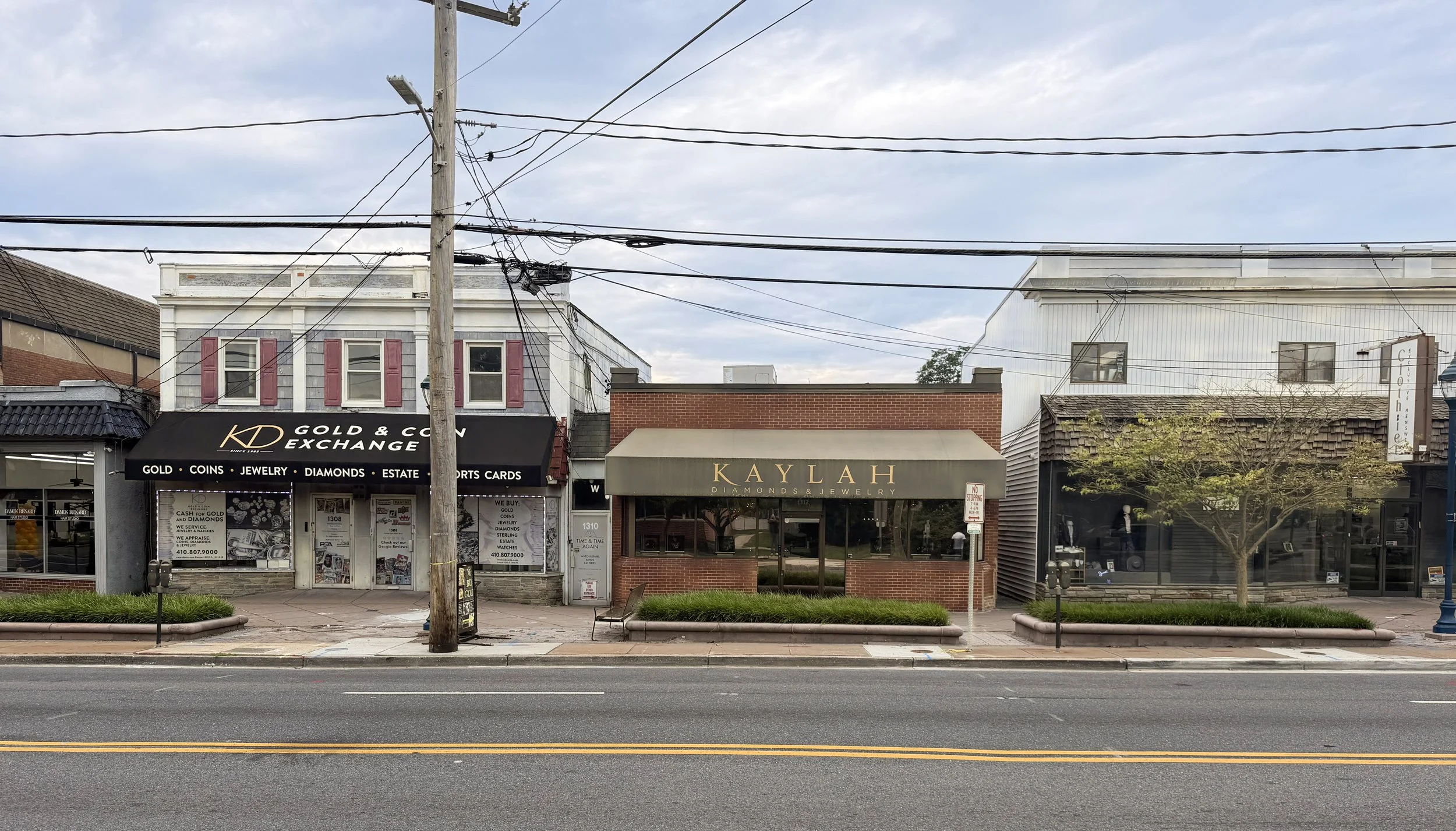
Someone recommends a restaurant. A barber. A place to get something fixed. And it turns out to be down the street from the house. The reply is usually the same. I know exactly where you mean. I've driven past that place a thousand times. I never knew that was there.
The thing is, it was there the whole time. We just never looked.
Think about a time we've all had: the drive we can't remember. We're headed to work or wherever and when we pull into the parking space we wonder how we got there. The whole way our minds were somewhere else. We're thinking about the meeting, the project, what's for dinner, the appointment that needs to be made, and whatever it is that the kids need. There's just enough attention on the road to stay in the lane.
Most days are like that. We start with a list and move through it, and by evening we can point to what got done. We've made a little progress and feel like we moved forward with our plan. And it doesn't matter whether the day is spent at a job, at home with children, or in retirement. We were trained the same way. Stay on track. No time for dilly-dallying.
Now think about the day a vacation starts. Something lets go as soon as the car pulls out or the plane takes off. The shoulders relax. We stop checking the time. Nothing has to be decided in the next ten minutes. Then the world comes into focus, and we finally open the book that has been sitting on the nightstand for a month.
It keeps going once we arrive. We notice the sky. We get in the pool with the kids. And dinner is not just dinner. We notice how the food was made, what the room smells like, and the light. We dress for it. We put on the jewelry we forgot we owned.
The destination gets the credit. What actually changed is that we gave ourselves permission to stop. A little like recess when we were kids. Looking around and discovering something new was carved into a child's day. Now, as adults, our vacation time becomes the only reason to explore.
At home, our attention gets divided. It has to keep track of what comes next, what's gone wrong, what is needed. It's on our mind while we do the dishes, walk the dog, and take the trash out back.
But we can't keep that up forever. It wears us down. We need the time away. The vacation was never the whole thing, though. For the most part, what we were doing there can be done on a weeknight.
The road trip playlist works in the kitchen while doing dishes. The dog walk is long enough to talk to a neighbor. The backyard gives us a place to watch the sky change. The jewelry is still in the drawer. And a Thursday can be a good night to get dressed up and go out to dinner.
Moments like these may not sound like much. That may be why they are easy to overlook. Birthdays, weddings, and holidays are hard to miss because they come with dates, reservations, and pictures, while a weeknight can go by without a second thought.
Some of what we stop noticing isn't out in the world. It's closer than that. Whether we're actually happy in a thing we've been doing for years. Whether we're still angry at someone we said we forgave. That kind of noticing doesn't feel good, and it isn't beautiful. Sometimes it just tells us the truth about where we are.
This is not an instruction to enjoy every minute, or to turn every weeknight into an occasion. Some days will be boring. Some will be repetitive. Some will be genuinely hard. Illness, money trouble, and exhaustion will not be resolved by being more present.
But noticing is a choice we make. And it's just as important as planning.
Some of what we have been missing may be just down the street.
WHAT WE NOTICE
WHAT WE CHOOSE
WHAT DESERVES OUR ATTENTION